
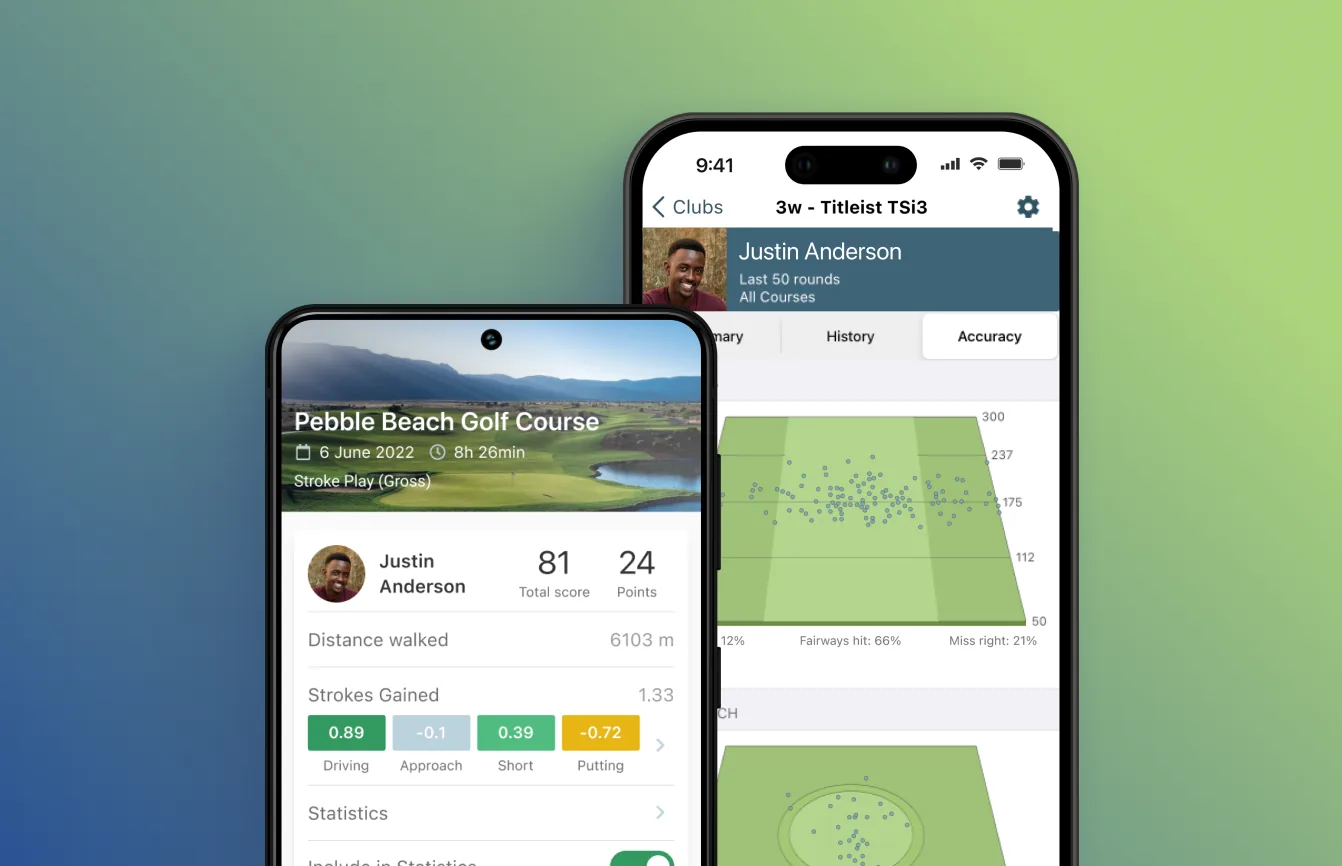
To elevate your golf game and track your progress effectively, it is crucial to focus on key statistics that can provide valuable insights. As an amateur golfer looking to enhance your skills on the course, understanding and measuring metrics like greens in regulation, strokes gained, and utilizing tools like GPS apps such as Golf Pad GPS can be game-changers. By delving into the world of essential golf stats, you can gauge your performance, identify areas for improvement, and ultimately work towards achieving your golfing aspirations.
Keeping an eye on your golf statistics is more than just about numbers—it's a strategic approach to improving your game. When you track stats, you create a clear picture of where your strengths lie and which areas need more attention. This process helps to set realistic goals and provides a tangible way to measure success over time. For instance, if you're aware that your greens in regulation need work, you can tailor your practice sessions to focus on approach shots. Moreover, consistently monitoring your performance creates a historical data set, allowing you to analyze trends and make informed decisions about your game strategy. In essence, tracking your stats is a crucial component of a deliberate practice plan, positioning you to make strides in your golfing journey.
Golf statistics can seem overwhelming at first, but understanding the most common metrics can significantly impact your game. Strokes gained is a comprehensive stat that compares your performance to other players, providing insight into which parts of your game are above or below average. Greens in regulation (GIR) measures how often your ball reaches the green in the expected number of strokes, indicating your approach shot accuracy. Putts per round give you a clear idea of your putting efficiency, which is often where games are won or lost. Fairways hit is another useful stat, highlighting your driving accuracy. By breaking down these stats, you can pinpoint exactly what to work on during practice sessions and what strategies to employ on the course, thereby systematically improving your overall performance.
Once you've become comfortable with golf statistics, the next step is using them to enhance your game. Begin by setting benchmarks based on your current stats like strokes gained and greens in regulation. These benchmarks serve as a baseline to measure improvement. Then, target specific areas for development. For example, if your greens in regulation numbers are low, focus on iron play and course management to reach more greens in the prescribed strokes. Also, use your putting statistics to determine if you need to work on short putts versus long putts. Incorporating these findings into your practice routines ensures that your time is spent efficiently on the most impactful areas. Regularly revisiting your stats after rounds will provide feedback on your improvement efforts, helping you to adjust your strategies and maintain a path of continuous growth in your game.
Strokes gained is a revolutionary statistic in golf that has changed the way players assess their performance. It measures a player's performance against a professional standard, allowing for comparisons across different aspects of the game such as tee shots, approaches, and putting. This stat can pinpoint exactly how many strokes you are gaining or losing in each area, offering a clear direction for improvement. For instance, if strokes gained indicates you are losing shots on the green, you might need to invest more time in putting practice. By focusing on the areas with the most significant potential for improvement, strokes gained can lead to a more targeted and effective practice regimen. As a result, you can make strategic adjustments to your game that have a direct impact on lowering your scores and enhancing your overall performance.
Greens in Regulation (GIR) is a core statistic for gauging your approach game's effectiveness. Simply put, GIR calculates the percentage of times you reach the green in two strokes less than par on any given hole. For example, on a par-4 hole, hitting the green in two shots or fewer counts as a GIR. This statistic is crucial because it reflects your ability to set up birdie opportunities and avoid bogeys, which is vital for scoring well. A higher GIR percentage usually correlates with lower scores. To improve your GIR, focus on accuracy with your long irons and woods, and work on strategic course management to avoid hazards. By tracking and aiming to increase your GIR percentage, you can directly influence your score and become more consistent in your golf game.
Evaluating your putts per round is essential for identifying the efficiency of your short game. This stat reflects the number of putts you take over the course of a round, and it's a strong indicator of your scoring potential. A lower number of putts signifies that you're capitalizing on the green, saving strokes where they often matter most. To improve your putting stats, focus on both your technique and your ability to read greens accurately. Practice drills that enhance your distance control and consistency will be crucial. Additionally, playing more rounds and keeping track of putts under various course conditions can help you understand your putting strengths and weaknesses. By giving your putting game the attention it deserves, you can shave strokes off your score and become a more formidable player on the green.
Incorporating technology like the Golf Pad GPS into your game can provide a substantial advantage on the course. This GPS app not only gives you accurate yardages to greens, hazards, and landing zones but also helps track your shots and monitor your progress over time. With this data, you can make more informed decisions about club selection and course strategy. The ability to analyze your rounds through a digital lens can uncover patterns and trends that may not be apparent otherwise. For example, you might discover that your approach shots from a certain distance tend to miss the green to the right, indicating a potential issue with club alignment or shot shaping. By using the Golf Pad GPS app to access real-time data and post-round analytics, you're equipping yourself with the tools necessary to take a more scientific approach to improving your golf game.
The benefits of using a GPS app like Golf Pad GPS are substantial. Firstly, it provides precise distances to various points on the course, which is invaluable for club selection and avoiding hazards. This precision can lead to more confident shot-making and can help lower scores. Secondly, a GPS app can help with pacing. By knowing the distance to the hole, you can manage your game more effectively and maintain a good rhythm, which is crucial for consistent play. Thirdly, GPS apps often include features like shot tracking, which can help identify patterns in your game and areas for improvement. Lastly, the convenience of having a caddy in your pocket cannot be overstated. With instant access to course layouts and statistics, you can streamline your decision-making process and focus more on the physical aspects of your game.
Leveraging data effectively is key to getting the most out of technology like the Golf Pad GPS app. The data collected can help you make informed decisions that directly impact your game. Start by reviewing statistics such as fairways hit, greens in regulation, and putts per round to identify patterns and tendencies. Use this information to focus your practice sessions on weaker areas. For example, if your data shows a trend of missed greens from a specific range, you can allocate more time to practicing those shots. Additionally, the app's tracking capabilities allow you to see the impact of course conditions and how they affect your game, helping you to adjust your strategy accordingly. By actively analyzing and applying the data gathered from your rounds, you turn raw numbers into actionable insights, driving continuous improvement and helping you achieve your golfing goals.


Subscribe for early access to promotions, feature announcements & more.

